 Croatia Waterfalls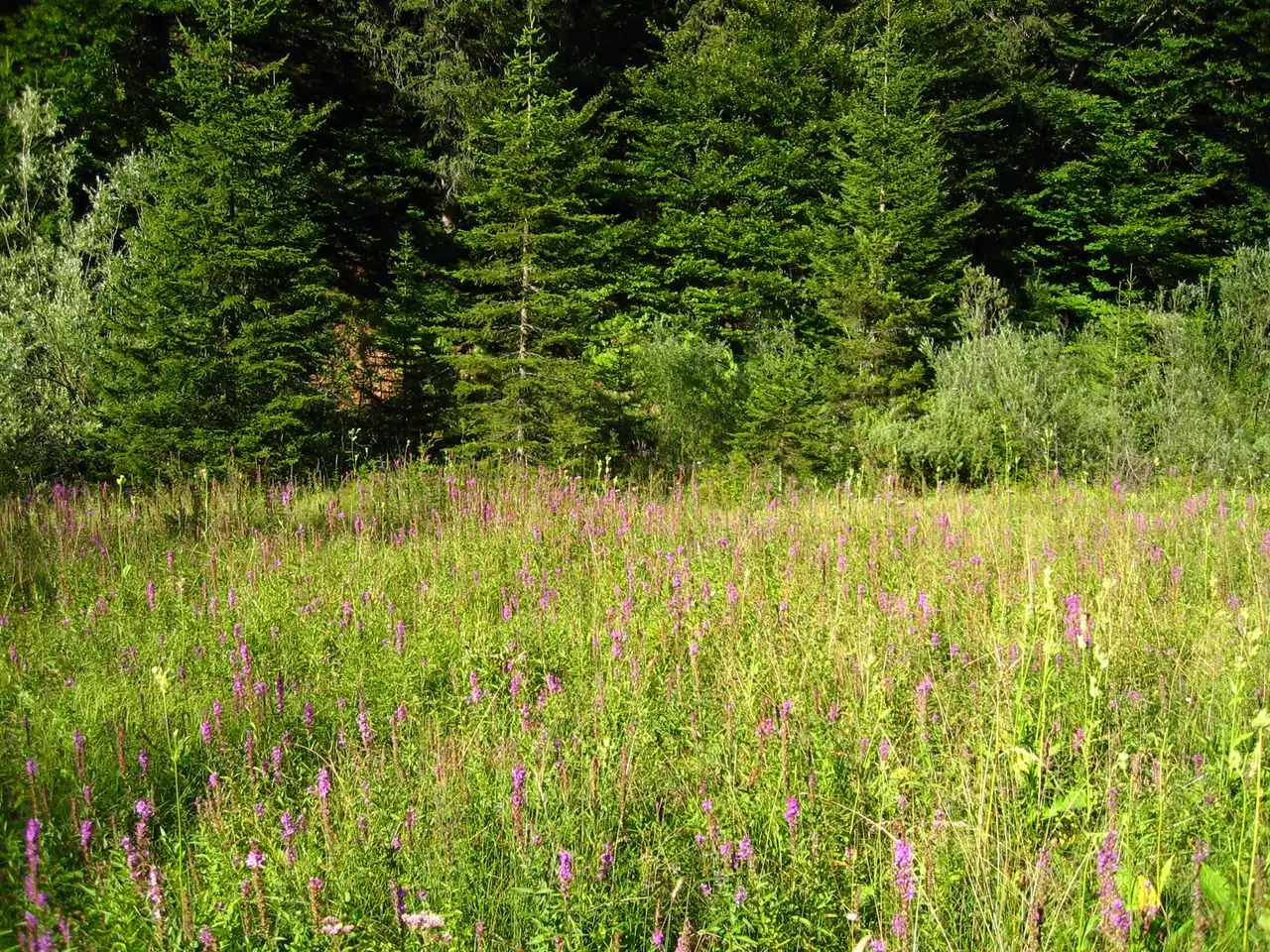
Waterfall country runs on two calendars that only partly overlap: the water calendar and the visitor calendar. High flow comes with spring and early summer; the crowds and the top price band come with July and August; the warm swim rivers arrive somewhere in between; and the karst streams that make Istria and the Krčić worth a drive can run dry exactly when the coast is fullest. Grading the best time to see Croatia waterfalls means weighing those four curves against each other, and the season table below does it in one view — flow, crowds, prices and swim rivers from the April-June high water to the ice months at Plitvice. The season guides that follow explain the reasoning: what spring does to each river, why August splits the map in two, the case for September and October, and what winter keeps open. Checked this quarter against park calendars and official price lists
Quick answer The one-line answer per season and the honest overall winner
Verified this quarter: the overall winner is May-June — every fall on the map runs at or near full flow, the parks sit on shoulder or early-season pricing, the Mrežnica warms by mid-June and the dated Plitvice slots still bind only lightly. July-August is the crowds-and-top-price month, and the karst-edge streams — the Krčić, Istria's Sopot — thin or dry. September is the second winner: warm water, light queues, shoulder prices. October trades swim rivers for empty boardwalks. Winter is the parks at their cheapest band, with the swim tier off the table.
Key takeaways
- April-June: peak flow everywhere — the parks' big barriers and the Una terrace at full voice.
- July-August: park peak (12,000-a-day cap binds, €40 band) — go late-day or shift to the rivers.
- September: the shoulder argument — warm water, thin crowds, the €23 band returning.
- Winter: ice at Plitvice, €10 band, no swimming — the off-season mechanics.
The Season Table: Flow, Crowds, Prices, Swim Rivers
The year graded in six rows against the four curves that decide a waterfall trip. Flow notes follow the karst hydrology of each river group; prices follow the official park band ladders verified this quarter; swim status follows the legal bathing rules.
| Months | Flow | Crowds | Prices | Swim rivers |
|---|---|---|---|---|
| April - May | Peak: snowmelt and spring rain; every barrier runs hard | Building; queues only on May weekends | Shoulder bands (€23 at Plitvice) | Cold — wetsuit weather |
| June | High and steady; the small streams still strong | Moderate; slots bind lightly | Shoulder into the 1 June peak band | Warm by mid-June — the season opens |
| July | Big rivers full; karst streams starting to shrink | Peak: coaches, 12,000-a-day cap, booked-out mornings | Top band (€40); tours priciest | Warm — the swim tier at its best |
| August | Parks full; Krčić and Istrian streams thin or dry | Peak of the peak | Top band (€40); beds double | Warm — go early or late in the day |
| September | Strong again after any rains; a reliable month | Thinning fast after the first week | Late bands (€25/€30.00) into shoulder pricing | Still warm through the month |
| October - March | Variable: autumn rain spikes, winter ice at Plitvice | Quiet — the parks' emptiest months | Cheapest bands (€10 at Plitvice) | Off the table until late spring |
Spring: The Flow Season
April-June is when every fall on the map performs at or near capacity — the month the photographers mean by 'waterfall season'.
Spring rain and the last of the karst aquifer's storage push every river group to its year's maximum: the parks' big barriers — the Great Waterfall and Skradinski buk — run at full voice, the Una terrace is at its whitest, and even the small streams carry weight. The parks price the shoulder band (€23 at Plitvice) through the spring months, and the dated-entry system binds lightly: May weekends are the only spring dates that reward early booking.
The trade is water temperature. The swim rivers — the Mrežnica, the Zrmanja, the Korana beach at Rastoke — stay cold into May; the kayak season runs from April but in wetsuits. The honest spring strategy: parks and viewpoints in April and May, then hold the swim days until mid-June, when the Mrežnica's basins reach bathing temperature and the crowd curve has not yet peaked. Spring also carries the year's one hydrological risk: after heavy rain, boardwalk sections close and rivers rise fast — the park calendars announce closures, and a one-day buffer solves it.
- Best months for scale: late April, May, early June — full flow everywhere.
- Prices: shoulder bands; the year's best flow-per-euro ratio.
- Booking: only May weekends need early dated tickets.
- Risk: spring storms close boardwalk sections — keep a buffer day.
Summer: The Crowds-and-Price Peak
July and August run the top price band, the visitor cap and the thinning of the karst streams — all at once.
The parks' peak band (€40 at Plitvice, roughly €10-40 ladder at Krka with the €30.00 individual after-15:00 ticket) coincides with the heaviest visitation: the 12,000-a-day cap at Plitvice binds, mornings sell out days ahead, and the boardwalks queue through the middle of the day. The swimming ban bites hardest now too — the parks are at their fullest exactly when a dip looks most tempting, which is why the swim rivers are summer's real release valve.
August also splits the map in two. The big rivers keep their volume, but the karst-edge streams are aquifer-fed and the aquifer drains: the Krčić can dry to nothing in a hot August, Istria's Sopot thins to a veil, and the Gubavica drop shrinks to a fraction. The summer strategy, if July-August is the only window: parks at opening or on the late bands (Plitvice after 16:00, Krka after 15:00), rivers for the afternoons, and no karst-stream detours without checking recent rain.
- Parks: before 09:00 or the late bands — midday is the coach shift.
- Rivers: the Mrežnica basins and Zrmanja pools carry the hot afternoons.
- Avoid in August: the Krčić, Sopot and other aquifer-fed streams after a dry spell.
- Beds and cars: August doubles most rate bands — book everything early.
The Shoulder Argument: September and October
The months that quietly win the arithmetic: warm water behind them, shoulder prices ahead of them.
September is the second winner after June, and for many trip shapes the better one. The water is still warm enough for the swim rivers through the month, the parks' crowds thin sharply after the first week, and the price ladder steps down — Plitvice's late-day band applies from 15:00 in September at €25, and Krka's €30.00 individual after-15:00 ticket runs to the end of the month. The light is lower and better for photography; the photography guide builds its case on exactly these weeks. Early September keeps the kayak season running on the Zrmanja.
October continues the argument at colder water temperatures: the parks return to shoulder pricing, the boardwalks empty out, and autumn rain refills the streams that August emptied — making it the recovery month for the karst-edge falls. The swim tier is finished by mid-October. For a parks-plus-driving week, October is the cheapest defensible window; for a swim-weighted trip, it is already next year's plan.
- September: warm water, thin queues, late bands — the second overall winner.
- October: shoulder prices, empty boardwalks, streams recovering from August.
- Kayak season: runs to October from Kaštel Žegarski.
- Swim rivers: out by mid-October — water temperature, not rules.
Winter: The Ice Months and the Cheapest Bands
November to March is the parks at €10 and near-empty boardwalks — and everything wet and warm, off the table.
Winter keeps both parks open at their cheapest bands — €10 at Plitvice in the winter band — and delivers the year's most distinctive sight: the falls freezing mid-fall, ice curtains over the lower-lakes barriers, and boardwalks with single-digit company. The trade is daylight and route closures: short days, partial ice-route programmes at Plitvice, the Krka boat on a thinned schedule outside 1 April - 31 October, and every upstream or small site running reduced hours. The mechanics — what stays open, what closes, what to wear — are on the winter guide.
The swim tier is simply off the table until late spring, and the kayak season is closed. What winter is genuinely good for: photography without crowds, the parks at their most affordable, and pairing the waterfalls with Zagreb's and the coast's off-season prices. For everything else — flow, warmth, the full route network — the honest verdict is that winter is a specialist's season, not the default.
- Parks open daily at the €10 band; expect partial ice routes and short days.
- Boardwalks ice over — grippy footwear is a safety item, not a comfort item.
- Boat and shuttle schedules thin outside 1 April - 31 October.
- Swim rivers and kayak season: closed until late spring.
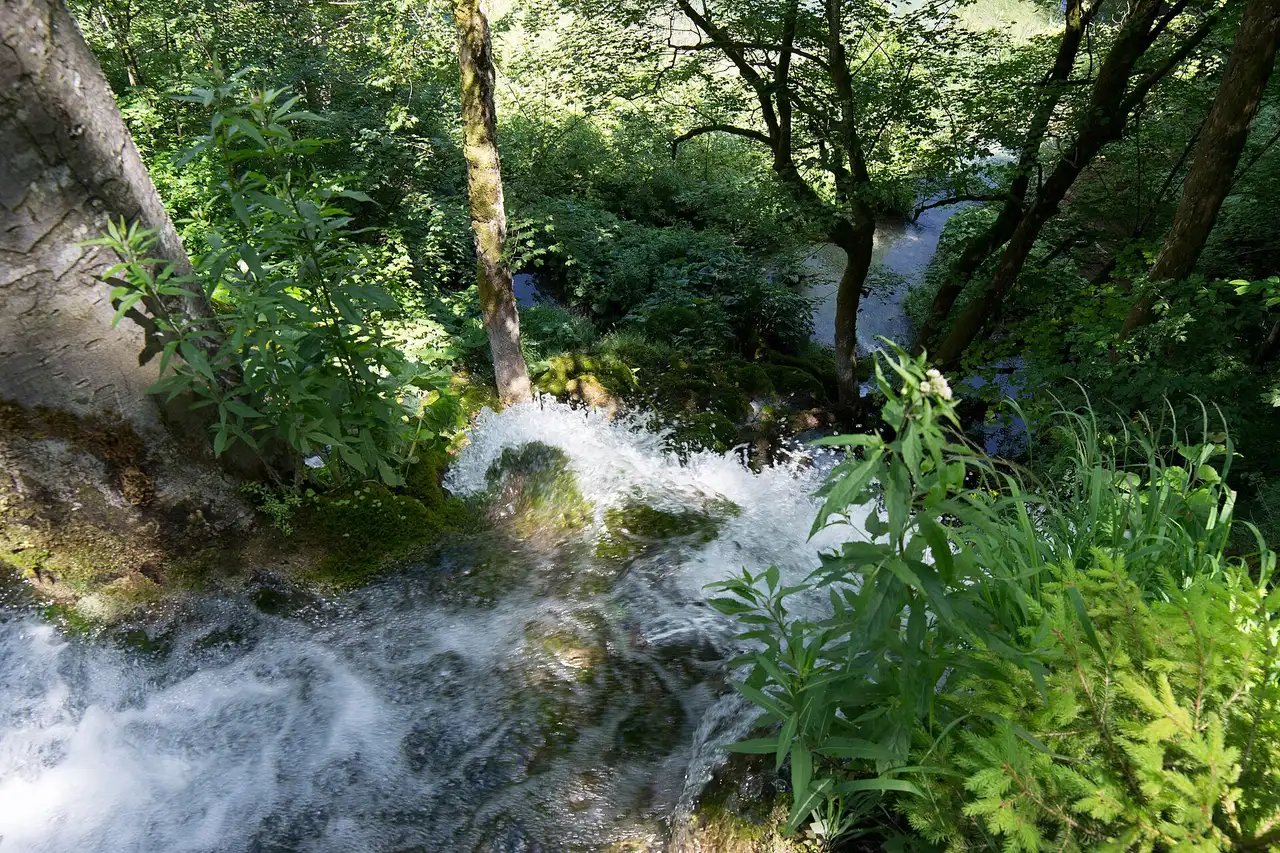
April-June runs every barrier at capacity: the year's best flow, the shoulder band prices, and boardwalks that still have room to stand on.
The Bookable Day That Fits Any Season
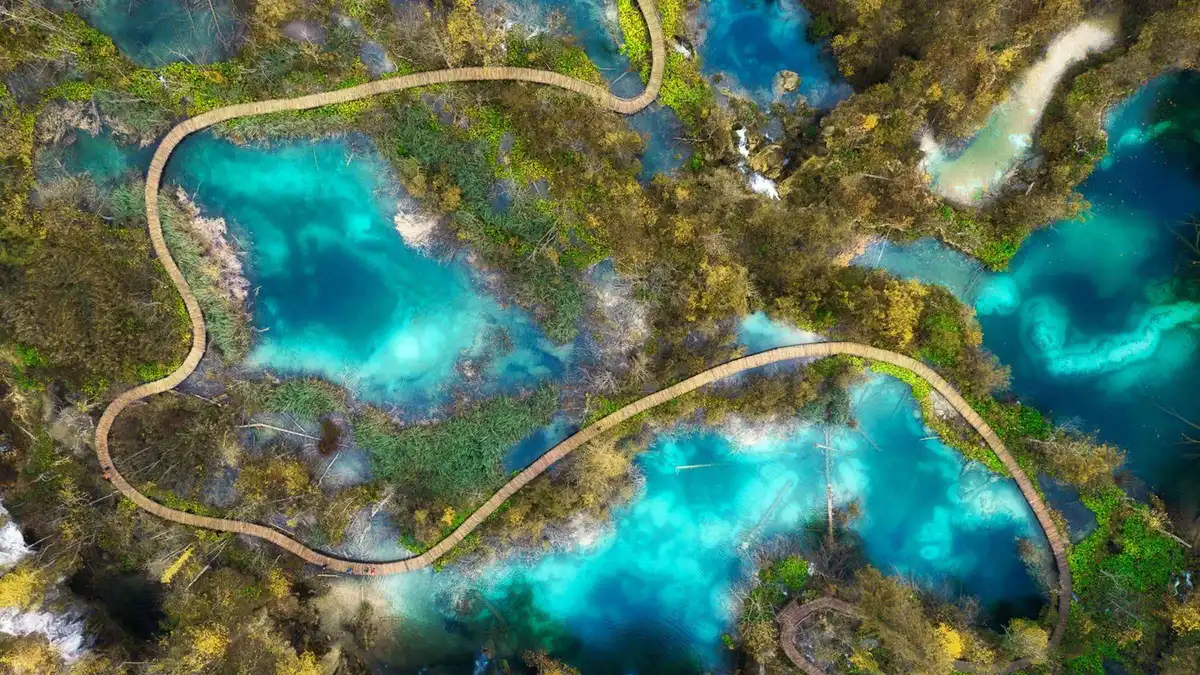
One product carries the season-proof slot: the Zagreb day trip that pairs the park with the mill village and handles the dated ticket:
 from $110.19
Zagreb: Plitvice & Rastoke Guided Trip with Ticket (ENG/ESP)
Semi-private day trip from Zagreb pairing the Plitvice lakes with the Rastoke mill village, ticket included.
Check AvailabilityPrices, ratings and details are the platform's own, checked in Q3 2026; dollar figures are the listed prices — the platform bills in your account's currency.
Timing Questions, Answered
Which month has the best combination of flow and low crowds?
May and June, with late September close behind: full flow on every river group, shoulder or early-season pricing, and queues that stay short outside weekend middays. The season table above grades all six windows.
When do the parks sell out?
July-August, when the 12,000-a-day cap binds and the €40 band runs: dated mornings can sell out days ahead. June and September bind only lightly, and the winter and shoulder bands rarely sell at all — the sellout calendar.
When can you swim?
The swim rivers warm by mid-June and carry through September — the Mrežnica basins are the benchmark. The parks ban bathing in every season, so the swim tier lives entirely outside them: the legal list.
Do the waterfalls really dry up in August?
The karst-edge streams can: the Krčić can dry entirely and Istria's Sopot thins to a veil after a hot, dry August, because both are aquifer-fed. The park barriers and the Una never depend on last week's rain the same way — the flow logic is in the summer section above.
Is October too cold for a waterfall trip?
For walking and driving, no — it is the cheapest defensible parks week, with shoulder bands and empty boardwalks. For swimming, yes: the river tier is finished by mid-October. Pack layers and waterproof footwear either way.
What does a week cost in August versus June?
Tickets move one band (€23 to €40 at Plitvice per adult), but the real August inflation is in beds and hire cars, which roughly double from their shoulder rates. The base-by-base bands print the honest ranges.
Is winter worth it for the ice?
For photographers and repeat visitors, yes — freezing falls and empty boardwalks at the €10 band are a real product. For a first trip, the short days, partial routes and closed swim tier make spring through autumn the better default: the winter mechanics.
Timing Into Planning
The pages that turn a chosen month into a booked trip:
The trip planner hub
Itineraries, budgets and the booking order for the whole trip.
The seven-day road trip
The full circuit, sequenced for the season you picked.
Where to stay
Bases and nightly bands, including the August doubling rule.
Croatia waterfalls in winter
The off-season mechanics: closures, ice routes, cheapest bands.
Plitvice or Krka
If the season only fits one park, this decision picks it.
We may earn a commission if you book through one of our links, at no extra cost to you. Full affiliate disclosure